5 Comfortable Birthing Positions for a Smoother Labor (And How Prenatal Massage Can Help)

Share this blog post!
As your due date approaches, it is completely natural to feel a mixture of excitement, anticipation, and curiosity about the birth process itself. If you’ve been thinking about how your body will move and adapt when active labor begins, you are already stepping into an empowered mindset.
For generations, pregnant individuals were encouraged to lie flat on their backs during delivery. However, modern birth research has shown us what intuitive birth givers have always known: movement and position changes are key to a smoother, more efficient labor.
At the Prenatal Massage and Movement Center, we serve families across NYC by helping their bodies shift from the "holding" phase of pregnancy into the "opening" phase of labor. By combining physical preparation with time-tested birthing positions, you can work with gravity and your baby to create a safer, more comfortable birth experience.
Why Birthing Positions Matter for Your Body and Baby
Your pelvis is a dynamic system of joints, muscles, and ligaments designed to widen, shift, and adapt, especially during labor.
Finding comfortable birthing positions offers major physiological advantages:
Gravity Assistance: Upright positions allow gravity to help pull your baby downward into the birth canal.
Increased Pelvic Space: Moving off your back can open your pelvic outlet by up to 30%, giving your baby maximum space to rotate.
Relief from "Back Labor": Positions that take pressure off your sacrum can significantly reduce intense spinal pressure.
More Efficient Contractions: When your body is aligned, your uterine surges can work more effectively, often shortening the overall duration of labor.
5 Comfortable Birthing Positions for a Smoother Labor
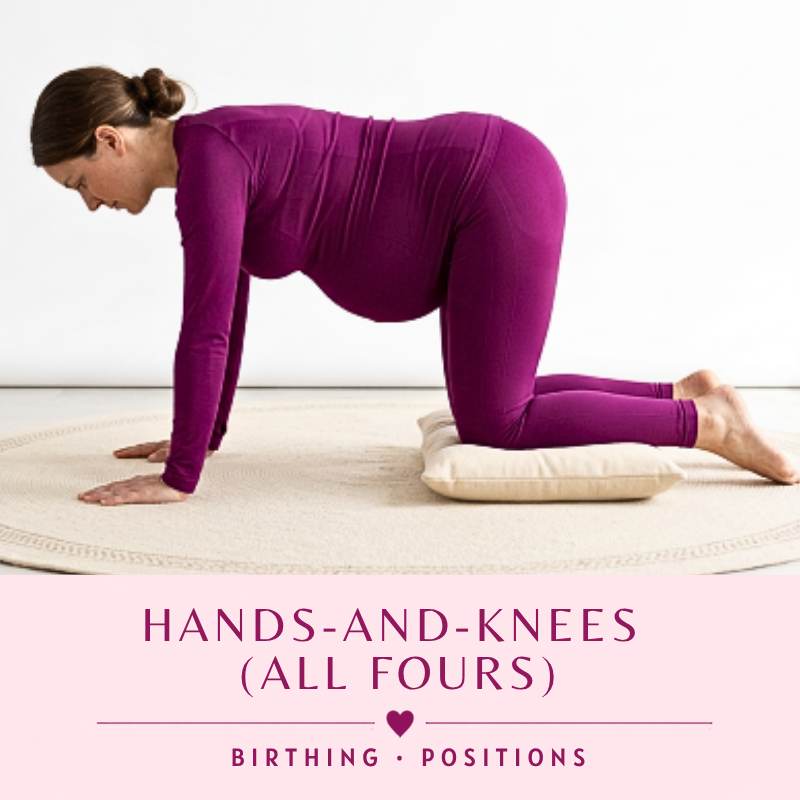
1. Hands-and-Knees (All Fours)
Why It Feels Wonderful: Kneeling on all fours (on a soft birth mat or bed) takes the weight of your baby off your spine and sacrum. It is widely considered the gold standard for relieving "back labor."
How It Helps Baby: This position gives your baby the gravitational room they need to rotate out of a posterior position (sunny-side up) and into an optimal anterior position for delivery.
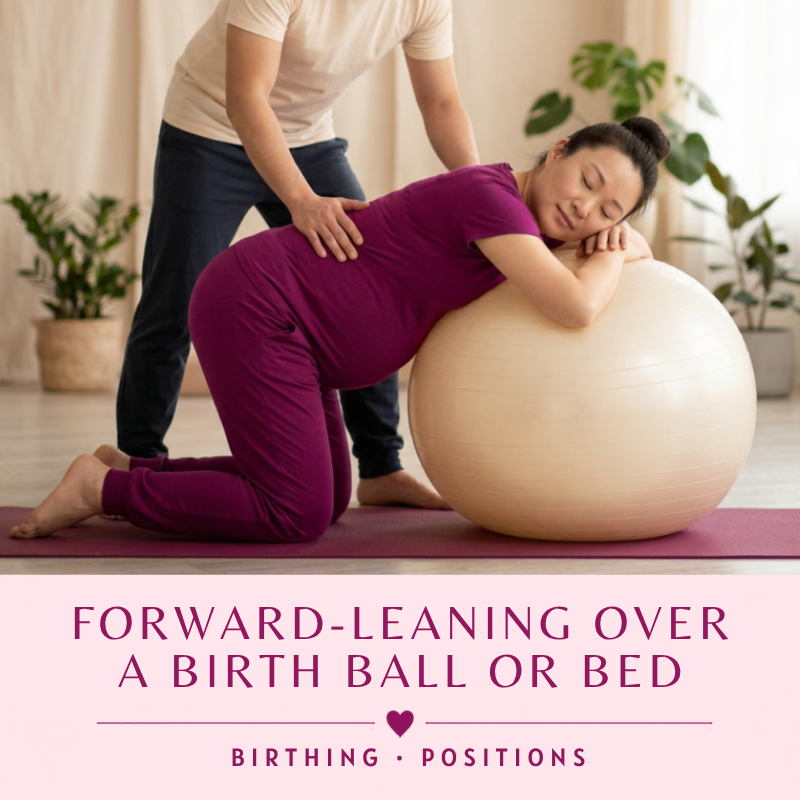
2. Forward-Leaning over a Birth Ball or Bed
Why It Feels Wonderful: Leaning your chest and arms forward over a birth ball, stack of pillows, or the top of an elevated bed allows your upper body to fully rest while keeping your pelvis upright and mobile.
How It Helps Baby: It encourages pelvic mobility. Your partner or doula can easily access your lower back to apply counter-pressure or massage during contractions.
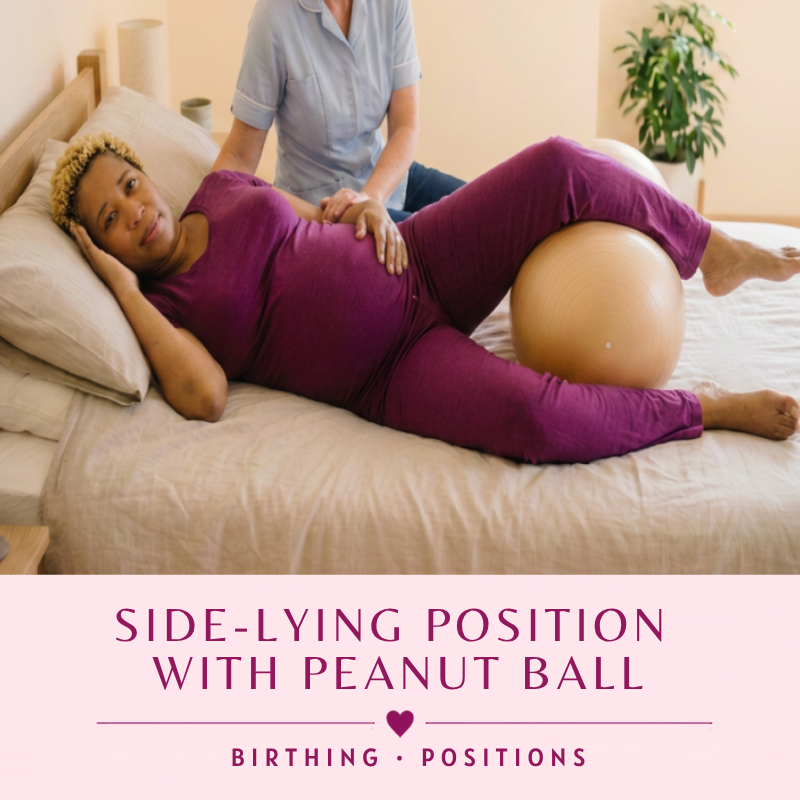
3. Side-Lying Position
Why It Feels Wonderful: When fatigue sets in during a long labor, side-lying offers profound rest without compromising pelvic space. Supported by specialized bolstering between your knees and ankles, such as a peanut ball, it allows your body to relax deeply while keeping your hips open.
How It Helps Baby: Side-lying helps slow down an overly rapid labor, reduces the risk of perineal tearing, and maintains excellent blood flow and oxygen supply to your placenta.
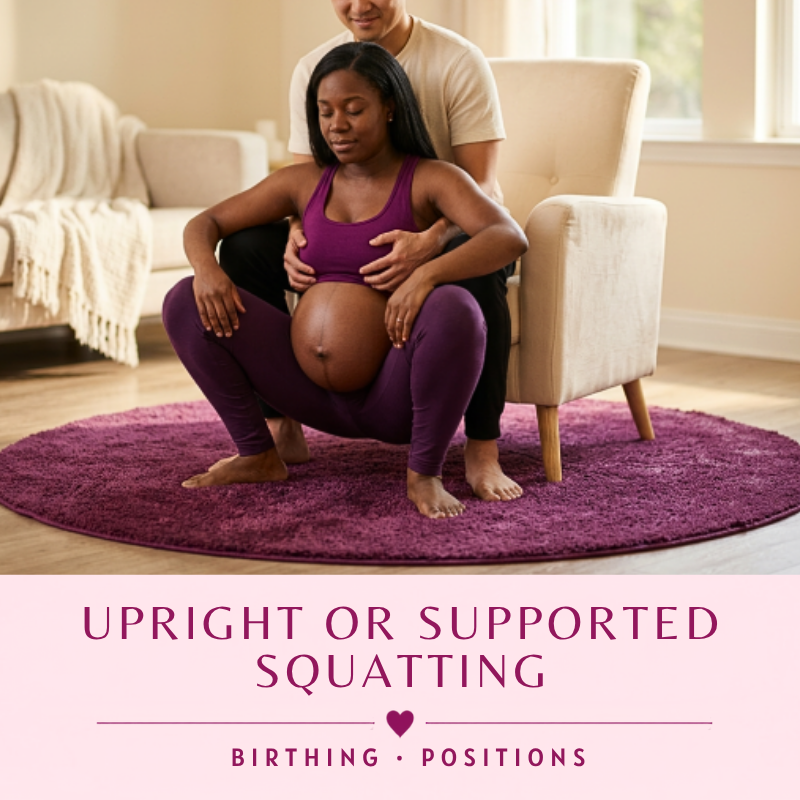
4. Upright or Supported Squatting
Why It Feels Wonderful: Squatting (using a squat bar, a partner for support, or a birth stool) opens the pelvic outlet to its absolute widest diameter.
How It Helps Baby: It uses maximum gravity assistance during the pushing stage, allowing the birth canal to widen effortlessly so your baby can descend with less resistance.
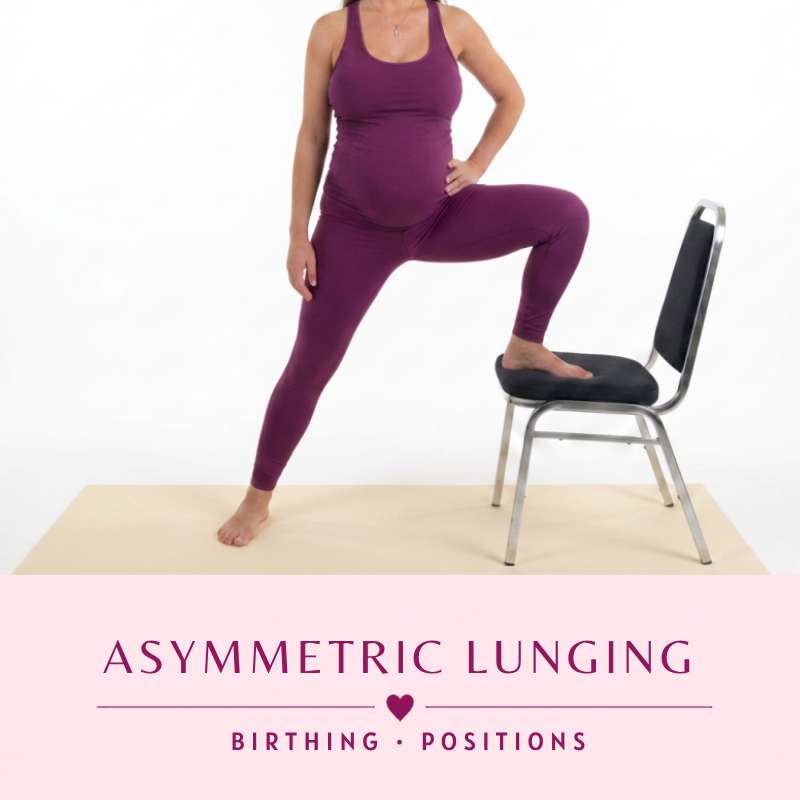
5. Asymmetric Lunging or "Throne" Position
Why It Feels Wonderful: Placing one foot up on a low stool, chair, or bed step while leaning slightly forward creates asymmetrical movement in the pelvis.
How It Helps Baby: If your baby is high or slightly stuck on a pelvic ledge, lunging opens specific pelvic diameters, helping the baby navigate past mid-pelvic obstacles and drop down smoothly.
How Specialized Prenatal Massage Prepares You for These Positions
While knowing these positions is empowering, your body needs the mobility to get into them comfortably. If your pelvic ligaments are tight, your hips are locked, or your sacrum is compressed, holding an asymmetrical lunge or a deep squat during labor can feel exhausting or restricted.
This is where specialized prenatal bodywork comes in. Backed by 27+ years of experience, our sessions utilize the "Three Balances" of Spinning Babies® and the structural foundations of the Body Ready Method®:
Pelvic Balancing: We gently release tight pelvic floor muscles, uterosacral ligaments, and hip flexors. Removing this tension ensures your pelvic bones can shift and widen freely when you move into a squat or side-lying position.
Reducing Uterine Torsion: By balancing the ligaments holding the uterus, we remove physical "twisting" in the birth canal. This creates a clear, uninhibited path for your baby to rotate into an optimal birth position.
Conditioning the Parasympathetic System: Through targeted bodywork and labor-priming acupressure, we train your nervous system to drop into a state of deep "rest and digest," making it easier for you to stay relaxed and focused during position changes in active labor.
Proactive Birth Prep: When your muscles and ligaments are flexible and balanced before labor begins, moving between different birthing positions during labor feels natural, fluid, and comfortable rather than forced.
Labor Enhancement Massage and Movement: Preparing Your Body at 38+ Weeks
At the Prenatal Massage and Movement Center, our specialized Labor Enhancement Massage & Movement sessions are explicitly designed for clients reaching full term (38 weeks gestation or later).
This targeted session blends clinical bodywork with active, guided movement to help clear physical resistance in the pelvis and encourage your baby into optimal engagement.
What Is Included in a Labor Enhancement Session?
Active Pelvic Mobility Work: We guide you through gentle, targeted pelvic movements—such as asymmetric lunging, pelvic tilts, and forward leaning inversion—ensuring your joints and ligaments feel fluid and capable of opening during labor.
Nervous System Regulation & Endorphin Release: Labor is governed by hormones. Stress and elevated cortisol can create physical tension that delays labor progression. By using soothing, rhythmic bodywork alongside sacral counterpressure, we shift your nervous system out of "fight-or-flight" and into a deep parasympathetic state. This triggers the natural release of endorphins and oxytocin—the primary hormone responsible for encouraging productive contractions.
Evidence-Based Acupressure for Labor Priming: We apply gentle, intentional pressure to established acupressure points. Clinical studies in maternal health show that labor-priming acupressure helps encourage cervical softening, supports uterine tone, and promotes spontaneous labor initiation when your body and baby are ready.
By incorporating both nervous system regulation and functional movement before active labor begins, you give your body the optimal physiological environment to embrace birthing with ease, stability, and confidence.
Frequently Asked Questions
-
There is no single "magic" position for every person, as the most effective birthing position is the one that allows your specific pelvic anatomy to open while making you feel safe and comfortable. However, upright and forward-leaning positions—such as kneeling on all fours, supported squatting, or leaning over a birth ball—are widely considered the most effective. They utilize gravity, open the pelvic outlet up to 30% wider, and allow your baby to rotate smoothly down the birth canal.
-
From a biomechanical standpoint, supported side-lying and hands-and-knees positions are often cited as the "easiest" and most efficient. Side-lying allows your body and muscles to rest deeply between birthing waves while keeping your hips open. Hands-and-knees takes the heavy weight of pregnancy off your lower back and spine, making active movement and breathing much easier.
-
Upright, active positions combined with asymmetrical movement—such as pelvic rocking on a birth ball, gentle lunging, or slow swaying—help dilate the cervix more efficiently. When you remain upright, your baby’s head applies direct, even pressure against the cervix, which stimulates your body to release natural oxytocin and encourages faster, steady cervical dilation.
-
Positions that take pressure off your sacrum and lower back tend to offer the greatest pain relief. Forward-leaning positions (like all-fours or leaning over the head of a birth bed) and side-lying are frequently reported as the least painful. These postures prevent the baby's head from pressing against your spine (relieving "back labor") and allow a doula or partner to easily apply counter-pressure and comforting sacral massage.
-
Yes! When pelvic ligaments or inner thigh muscles are tight from carrying pregnancy weight, holding positions like squatting or lunging can cause fatigue or cramping. Specialized bodywork releases tight fascia and balances the pelvis, giving you a greater, more comfortable range of motion during labor.
-
Forward-leaning positions—such as hands-and-knees or leaning over a birth ball—are exceptionally effective for back labor. They move the baby's weight away from your spine. Preparing your sacrum and lower back with targeted prenatal massage prior to 38 weeks can also help release pre-existing sacral tension.
-
While general prenatal massage is beneficial throughout all three trimesters, focused birth preparation and labor enhancement movement sessions are recommended starting at 38 weeks gestation or later.
-
Absolutely! Even with an epidural, your labor team can help you utilize positions like side-lying with a peanut ball or a supported semi-upright "throne" position. Bodywork received prior to labor ensures your pelvis remains balanced and open even when lying in bed.
Safety Note: Your health is our highest priority. We always review your pregnancy history prior to bodywork. Specialized labor enhancement massage and movement is reserved for uncomplicated pregnancies at 38 weeks gestation or later.
Prepare Your Body for Birth in Manhattan
Giving birth is an athletic, miraculous event, and your body deserves to feel supported every step of the way. Let us help you find pelvic balance, release physical tension, and prepare for a smoother, more confident birth journey.
Visit us at any of our three convenient New York locations:
Upper East Side: 1751 2nd Ave, Suite AZ-5, New York, NY 10128
Upper West Side: 124 W 79th St, Suite #1E, New York, NY 10024
Financial District:156 William St #800, New York, NY 10038
Availability: If you are nearing your due date and don't see online availability, please reach out to Anne directly at 917-359-8176. We always try our best to squeeze in our "due date" mamas!